Top 10 Tips for Choosing the Best Auto Lifepo4 Start Battery
Choosing the right Auto Lifepo4 Start Battery is crucial for ensuring the reliability and performance of your vehicle. With the advancements in lithium iron phosphate (LiFePO4) technology, these batteries have become increasingly popular due to their lightweight design, longer lifespan, and excellent safety features. However, with so many options on the market, selecting the best one can be a daunting task. Understanding the key factors that differentiate each battery can empower you to make an informed decision that suits your needs.
In this guide, we will explore the top 10 tips for choosing the best Auto Lifepo4 Start Battery. From assessing the battery's capacity and compatibility with your vehicle to evaluating its discharge rates and charging times, we will provide you with essential insights to help navigate through your choices. Whether you're a seasoned automotive enthusiast or a casual driver, this comprehensive overview will ensure that you invest in a reliable and efficient start battery that will enhance your driving experience.
Understanding Lifepo4 Battery Technology for Automotive Use
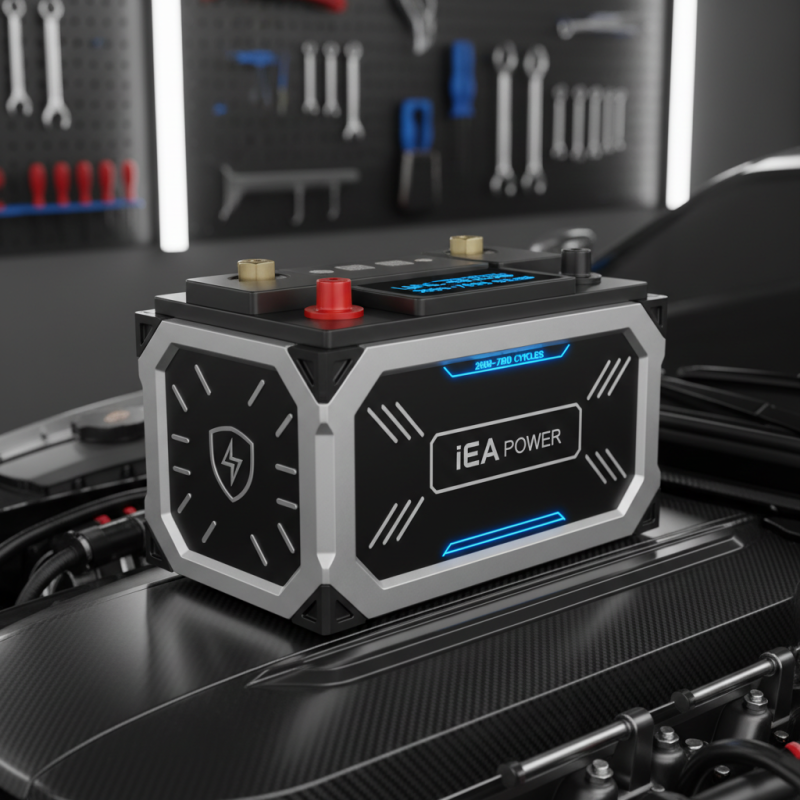
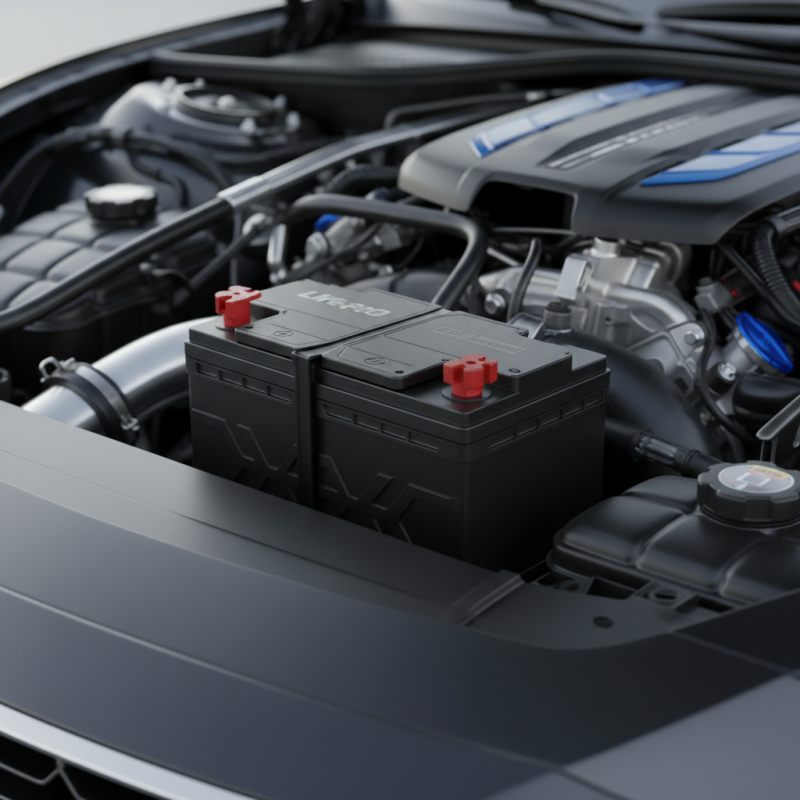
LiFePO4 (Lithium Iron Phosphate) battery technology has emerged as a pivotal advancement in automotive energy storage solutions, particularly for starting applications. This battery chemistry is known for its excellent thermal stability and safety profile, making it an ideal choice for modern vehicles. According to a report by the International Energy Agency (IEA), LiFePO4 batteries can endure 2,000 to 7,000 charge cycles, significantly outpacing traditional lead-acid batteries, which typically last only 300 to 500 cycles. This extended lifespan not only reduces costs associated with frequent replacements but also lessens environmental impact over time.
In addition to longevity, LiFePO4 batteries exhibit superior performance characteristics, including high discharge rates and consistent voltage output. Data from industry reports indicates that these batteries maintain over 90% of their original capacity even after extensive use, ensuring reliable vehicle performance under various conditions. Furthermore, their ability to function effectively in extreme temperatures—from freezing cold to sweltering heat—enhances their suitability for diverse automotive applications, as stated in research published by the Battery University. As more electric and hybrid vehicles incorporate LiFePO4 technology, understanding its advantages becomes essential for consumers and manufacturers alike in selecting the best starting battery for automotive use.
Key Factors to Consider When Selecting a Start Battery
When selecting the best auto Lifepo4 start battery, several key factors play a crucial role in ensuring optimal performance and longevity. First, consider the capacity of the battery, generally measured in Amp-hours (Ah). A higher capacity battery will typically provide more power and a longer lifespan, which is essential for starting your vehicle reliably. Additionally, assess the cold cranking amps (CCA) rating, as this indicates the battery's ability to start your engine in cold weather conditions. A higher CCA rating will assist in ensuring your vehicle starts smoothly, even in challenging climates.
Another important aspect to evaluate is the battery's weight and size. The right fit is critical for installation and can affect the vehicle’s overall performance. Ensure that the physical dimensions of the battery match the specifications required by your vehicle's make and model. Moreover, check the charging characteristics and cycle life. A battery that supports fast charging and has a long cycle life will enhance your vehicle's efficiency and reduce the need for frequent replacements. Together, these factors will guide you in choosing a start battery that meets your needs effectively.
Evaluating Battery Capacity and CCA Ratings for Your Vehicle
When choosing the best LiFePO4 start battery for your vehicle, understanding battery capacity and Cold Cranking Amps (CCA) is crucial. Battery capacity, typically measured in amp-hours (Ah), indicates how much energy a battery can store and provide over time. Consider your vehicle’s requirements; a higher capacity battery will support more electrical loads and provide longer run times, especially in vehicles equipped with multiple accessories or that are used for prolonged periods without running the engine.
The CCA rating is equally important, as it measures a battery’s ability to start an engine in cold temperatures. This rating indicates how many amps a battery can deliver at 0°F for 30 seconds while maintaining a voltage of at least 7.2 volts. If you live in an area with harsh winters, choosing a battery with a high CCA rating is essential for reliable starting performance. When evaluating options, be sure to match the CCA rating to your vehicle's engine size and type to ensure efficient cold starts.
Battery Capacity and CCA Ratings of Popular Lifepo4 Batteries
Comparing Brand Reputation and Warranty Options
When selecting an auto Lifepo4 start battery, brand reputation and warranty options should be at the forefront of your decision-making process. A reputable brand often reflects a commitment to quality, safety, and innovation. Consumers can gauge this by exploring online reviews, expert opinions, and customer feedback. A well-regarded brand will have a history of producing reliable batteries that stand the test of time, ensuring that you won’t be left stranded due to unexpected battery failures.
In addition to brand reputation, an important aspect to consider is the warranty provided with the battery. A robust warranty can offer peace of mind, as it indicates the manufacturer's confidence in their product. Analyze the terms of the warranty, including its duration and what it covers. Some warranties may offer lifetime coverage, while others may have limitations, such as specific conditions or mileage restrictions. Choosing a battery with a comprehensive warranty not only protects your investment but also serves as an assurance of support should any issues arise during the battery’s lifespan.
Top 10 Tips for Choosing the Best Auto Lifepo4 Start Battery - Comparing Brand Reputation and Warranty Options
| Feature |
Rating |
Warranty Period |
Brand Reputation |
Price Range |
| Energy Density |
9/10 |
5 Years |
Excellent |
$150 - $200 |
| Cycle Life |
8/10 |
4 Years |
Very Good |
$180 - $250 |
| Charging Speed |
7/10 |
3 Years |
Good |
$130 - $180 |
| Temperature Resistance |
9/10 |
5 Years |
Excellent |
$160 - $210 |
| Self-Discharge Rate |
8/10 |
4 Years |
Very Good |
$140 - $190 |
| Weight |
7/10 |
3 Years |
Good |
$120 - $170 |
| Cold Cranking Amps |
8/10 |
5 Years |
Excellent |
$150 - $200 |
| Safety Features |
9/10 |
4 Years |
Excellent |
$170 - $220 |
| Compatibility |
8/10 |
5 Years |
Very Good |
$140 - $190 |
Installation Tips and Maintenance Practices for Lifepo4 Batteries
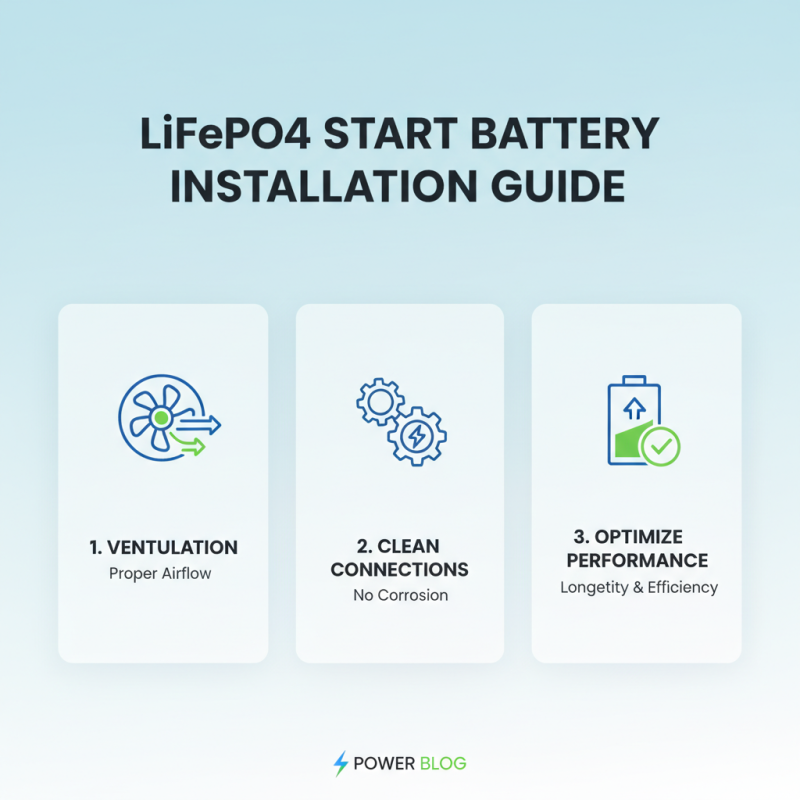
When it comes to installing a Lifepo4 start battery, proper preparation and execution are key to maximizing its lifespan and performance. First, ensure that the battery is placed in a well-ventilated area to avoid overheating. Lifepo4 batteries are efficient and stable, but they still require an environment where heat can dissipate effectively. Before installation, inspect the battery connections, ensuring that they are clean and free from corrosion. This guarantees a solid electrical connection, which is crucial for optimal performance.
Regular maintenance practices can significantly enhance the longevity of your Lifepo4 battery. One tip is to periodically check the battery’s state of charge and ensure it is maintained within the recommended voltage levels. Overcharging or deep discharging can damage the cells, reducing overall efficiency. Additionally, consider the battery's temperature; Lifepo4 cells perform best in moderate climates. If extreme temperatures are a concern, investing in thermal management solutions can help maintain the battery’s performance and prevent potential damage. Regularly monitoring these factors can keep your battery functioning smoothly for years to come.